Powder stand-up pouches bring together usable product space, filled-pack support and access for repeated or single-occasion use. Begin with the powder and how the consumer will remove it. A standing format is a useful presentation choice, but it does not alone establish capacity, closure performance or suitable protection.
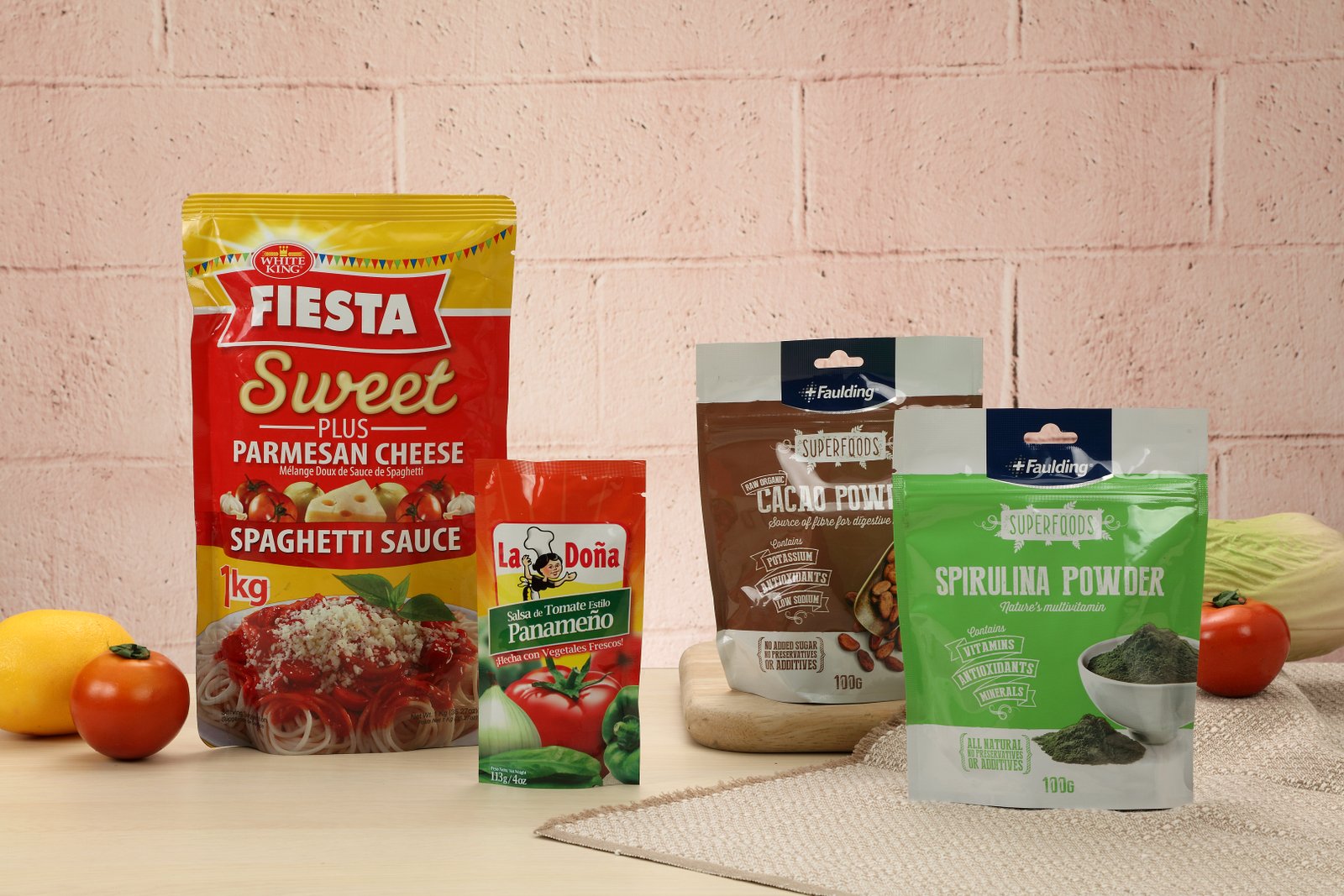
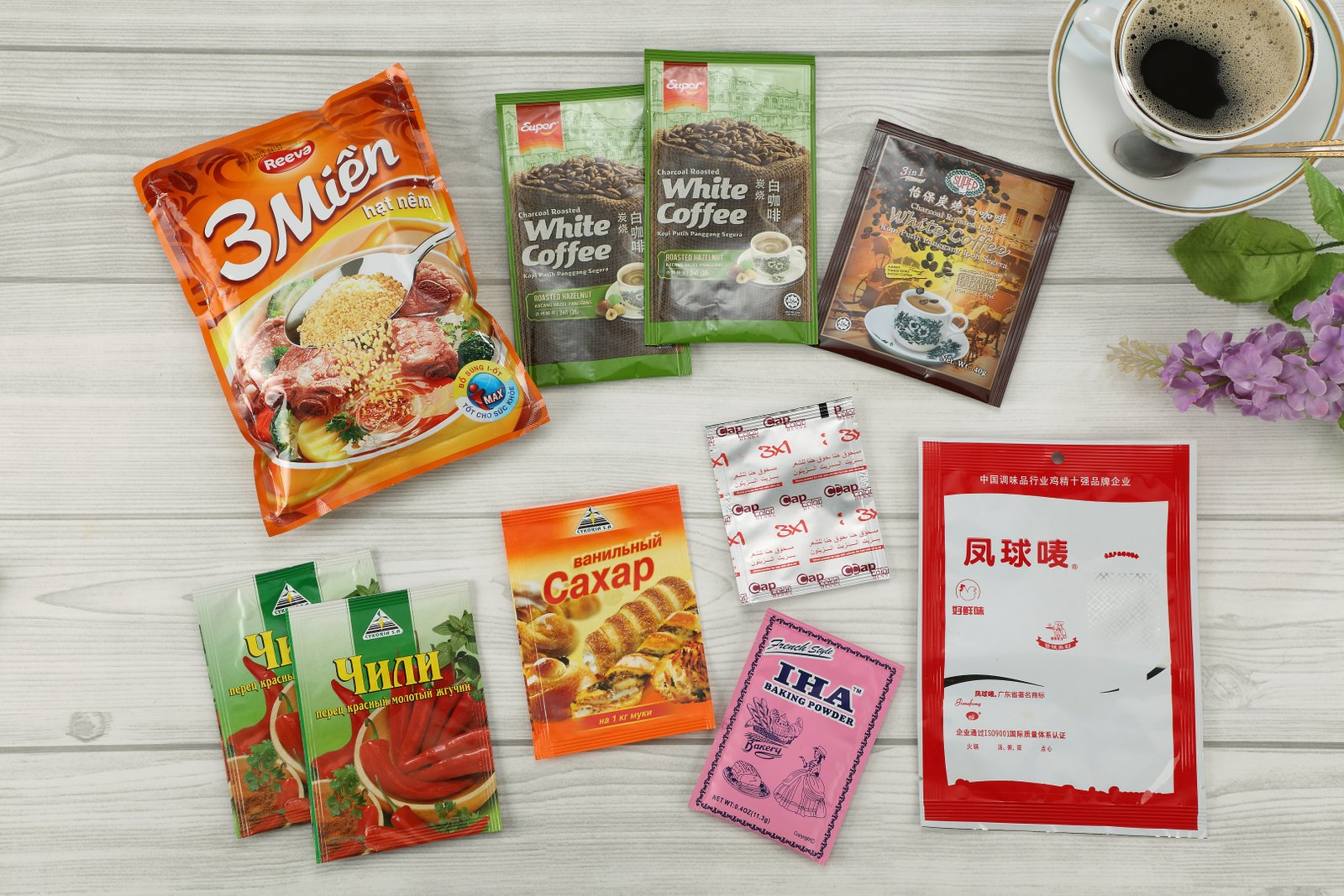
The Dachuan Packaging catalog includes standing food pouches and smaller food packets that provide references for format discussions. Use those images to communicate the desired presentation, then review the nine decisions below with the product team and filler. Keep the actual powder, fill amount and intended use linked to the construction proposal throughout sampling and approval.
1. Powder Stand-Up Pouches Start with Bulk Volume
State the target product weight and provide a representative powder sample where practical. Explain relevant flow and settling behavior to the filling team. Weight alone does not establish the space required for every dry product.
Use the intended powder to evaluate a proposed pouch and record the fill amount with the sample reference. Leave the final dimensions open until usable space and handling have been reviewed. This helps the supplier distinguish a visual size preference from a fixed product requirement. Powder stand-up pouches should be sized around the real filling and use arrangement rather than a capacity assumption copied from another product.
2. Clarify Finished Dimensions and the Base
Request a drawing identifying width, height, bottom gusset and the supplier’s measurement convention. Show relevant seals and closure positions. Outside dimensions and usable cavity are related, but they are not interchangeable descriptions of a package.
Fill a representative sample and observe how the base opens and supports the pack. Review the intended display surface and handling rather than assuming every standing design will behave identically. If a gusset changes, consider the resulting effects on product space, artwork and packing. Save the revised drawing with the sample observations so future offers can be compared using the same construction assumptions.
3. Allow for Filling and Closure Access
Ask the filling partner to review the open-pouch presentation, product path and final closing operation. Include the proposed dimensions and any selected reclosure feature in that discussion. A feature that looks convenient to a consumer may also change the line’s handling requirements.
Record product near the sealing area during trials and review relevant checks with the technical team. A successful visual sample does not replace the intended process evaluation. Powder stand-up pouches should be assessed using a traceable combination of powder, construction and equipment, so a later question can be investigated without guessing which preparation conditions produced the sample.
4. Define Protection Priorities for the Powder
Discuss the product team’s relevant concerns about storage and distribution. Ask the supplier for a proposed construction and information that addresses those concerns. Descriptions such as high barrier need context before different offers can be compared meaningfully.
Do not identify material layers from color or finish. Keep product contact, material data and completed-package checks connected while recognizing that they answer different questions. A shelf-life statement needs relevant product evidence. Record the powder version and intended conditions alongside the proposed material so the packaging decision is based on the actual application rather than a general category label.
5. Position Reclosure around Access
If repeated access is intended, discuss how the selected reclosure feature and opening are positioned relative to usable space. A closure should leave the access needed for the agreed dispensing task. Do not assume a zipper location from a similar photograph.
Evaluate the filled pack with the intended way of removing the powder. If a scoop is part of the product experience, include the relevant item in the trial. Observe grip and access as the fill level changes. Powder stand-up pouches need a practical review of the complete opening arrangement, not only confirmation that an isolated closure can be operated.
6. Test Pouring or Scooping with Users
Write down the intended use sequence and ask first-time users to follow it. Observe how they support the pouch, access the powder and manage the pack after use. Specific observations provide better feedback than a broad preference for one appearance.
Record whether the task requires unexpected shaking, squeezing or repositioning. Discuss any dimensional or opening change with the supplier and update the sample reference. The same powder may be used differently in food service, retail or a sample program. Keep that intended use visible so the chosen powder stand-up pouches are evaluated against the task the product team actually wants to support.
7. Make the Front Panel Work when Filled
Review product identity, variant and preparation information on the filled shape, not only the flat artwork. Folds and curvature can influence where information is easiest to read. Keep important copy clear of the supplier’s seals, trim and closure areas.
Check the layout at actual size and confirm coding and barcode locations with production. A change to the gusset or closure can require a revised template even when the brand wants the same front design. Have the responsible product team approve the wording and keep the released graphic file identifiable. Artwork approval should remain connected to the construction that was sampled.
8. Review Outer Packing and Display
Identify how filled pouches will be counted, packed, stored and displayed. Check the pouch in that actual arrangement, including shelf clearance and carton fit. Do not select one external constraint in isolation before the contents and handling needs are understood.
Agree relevant distribution checks with the responsible technical team. Record quantity units and any variant mix in the commercial brief. Powder stand-up pouches should be released with a defined packing scope so pieces, cartons and sets are not confused across documents. If an outer arrangement changes later, review what that means for the complete package rather than assuming primary-pouch approval answers every new question.
9. Keep the Approved Product and Pack Together
Release the powder reference, quantity, drawing, material proposal, opening and closure, artwork and evaluation record as one baseline. Identify responsible approvers and any remaining conditions before production is released.
For repeat orders, compare proposed changes to the powder, fill amount, construction, equipment or use sequence. Decide which evidence remains applicable and which checks need repeating. A practical powder stand-up pouches record should explain what was approved and under which conditions. That traceability is more useful than asking the supplier to reproduce the appearance of a photograph without identifying the complete product and process arrangement.
A practical planning example
Consider an illustrative dry-product pouch intended to be used with a scoop. The team likes a compact front-panel height, but the initial closure placement leaves limited access. An empty pouch can make this difficult to notice; a filled trial with the intended scoop gives more relevant evidence.
The team records grip, access and the behavior of the pack as powder is removed. If the closure or dimensions change, the drawing and artwork template are updated before release. The supplier and filler then review the relevant process implications. This example explains a planning sequence and does not report a customer project, test result or commercial improvement.
Save the powder sample reference, fill amount, scoop information and approved drawing together. Those details give the next powder stand-up pouches discussion a clear baseline and help identify what should be reviewed when a formulation, portion or use instruction changes.
Powder Stand-Up Pouches decision record
| Record | What to identify | Decision to capture |
|---|---|---|
| Product | Contents, version and intended quantity | Requirements confirmed by the product team |
| Package | Drawing, construction and opening | Approved specification and sample reference |
| Process | Filling, closing and handling conditions | Relevant trials and unresolved questions |
| Release | Artwork, quantities and commercial scope | Named approvers and current revision |
Powder Stand-Up Pouches FAQs
Can pouch size be selected from powder weight alone?
No. Assess usable volume, flow, settling, seals and the filling and dispensing tasks with representative contents.
Does every powder pouch need a zipper?
No. Closure choice follows the intended use, opening experience and process. Discuss repeated access only where the product brief calls for it.
Should a scoop be included in sample evaluation?
If it is part of the intended use, assess the relevant scoop with filled samples so access and handling are reviewed realistically.
What should be approved before production?
Approve the product reference, fill amount, material and dimensions, opening and closure arrangement, artwork and relevant process and handling checks.
Plan your next packaging discussion
Dachuan Packaging is based in Shantou, Guangdong, China. Share the product, intended format, fill amount, quantity and filling requirements through our packaging inquiry page. Include the decisions that still need supplier input so the team can discuss a relevant proposal and sampling route.
Continue with our related packaging planning guide, or browse the product catalog for visual references. For barcode planning, see GS1 Canada’s barcode guidance; for the role of seal-strength evaluation, see ASTM’s F88/F88M overview. Match external guidance to the actual application with the responsible technical team.