
Flexible packaging storage begins when unfilled reels or pouches arrive and ends when the correct stock is released to the line. A practical storage plan protects the material, keeps its identity readable and gives staff a clear way to respond when a carton is opened or a reel is returned from production. It should start with the supplier’s written guidance for the specific product.
The catalog photos show roll film and pouch formats. The materials illustrated do not establish a common storage limit or handling method. The eight checks below help purchasing, warehouse and production staff agree on a workflow for receiving, protecting, issuing and returning unfilled stock.

1. Flexible Packaging Storage Starts with Written Instructions
Ask the supplier how the specific reels or pouches should be stored in their delivered packaging. Obtain any limits or recommendations for conditions, storage period, stacking and handling. Confirm the date or event from which an applicable period is measured. Keep the instructions with the purchase specification so warehouse and planning teams can find them when a shipment arrives.
Check which conditions apply after an outer wrap is opened. A supplier may distinguish between sealed cartons, exposed packs and partly used reels. Ask how the material should be protected between runs and whether a change in its condition requires another check before use. Record which instructions apply to each construction or stock code. Use those directions when writing local procedures.
2. Inspect Deliveries Before Mixing Them with Available Stock
Check the shipment against the purchase order and packing information. Confirm the material, quantity units, artwork revision where relevant and the identifiers used to trace the shipment. Inspect the visible condition of cartons and reels. Look for signs of impact, wetness, crushed packaging or missing identification. Keep any affected quantity separate pending the agreed review.
If the receiving procedure calls for opening a shipment, record the quantity inspected and how it will be protected again. Photographs can be useful when they include the affected package and a readable reference. Do not rely on a picture to identify all related stock. Link the observation to the shipment and to the exact cartons or reels involved so the rest of the delivery can be handled according to the agreed process.
3. Keep Original Protection Where It Is Required
Store material in the delivered protection as the supplier directs. The outer wrap, end protection, carton or liner may each serve a purpose. Inspect storage locations for conditions that could compromise that protection. Check how stock is moved through receiving, stored on racks and staged for the next shift, especially where it waits near doors or shared work areas.
Make sure the team has a process for dealing with split cartons or a damaged outer covering. Document what can be reprotected and what must be held for assessment. One damaged corner of a carton might expose a small portion of a stack. Identify the affected material and its condition before combining it with any other quantities. Retain the original identification when protection is replaced.
4. Use the Supplier’s Handling Method for Reels
Confirm how reels should be supported, moved and stored in their actual packaging. Verify the intended orientation and handling equipment with the warehouse team. Consider where a reel face or edge could come into contact with a pallet, another reel or equipment during transfer. Record the accepted arrangement rather than relying on staff to infer it from the reel shape.
When a reel is moved from storage to production, keep the reference visible until the operator checks it. Record any visible damage before loading. If only part of the reel is used, follow the agreed method to remove it, protect it and mark what remains. The return record should help the next operator identify the material, artwork, orientation and any condition that needs review.
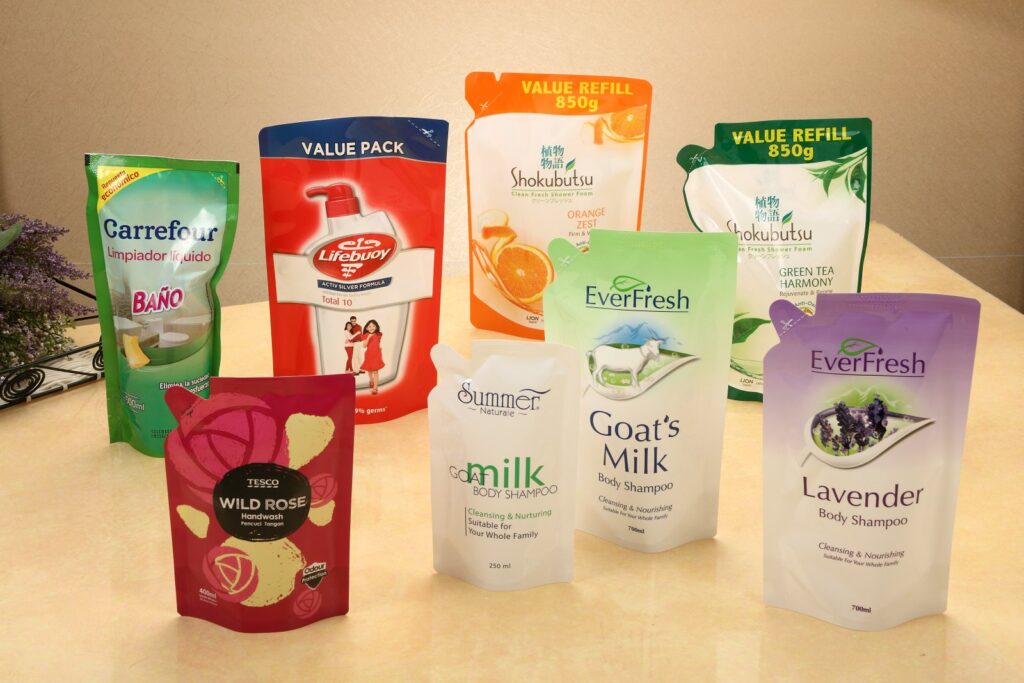
5. Keep Open Pouch Cartons Identifiable
Decide how staff will protect open cartons or liners while using part of a quantity. Keep the correct label with the remaining pouches. If separate stock from several cartons is staged together, the process must still allow staff to identify the supply relevant to each job. Separate look-alike variants so selecting the wrong printed pack is harder.
Ask the packing team to review its actual point of use. Packs taken out of a carton for staging may remain exposed until the next shift. Define where leftovers go, what protection they require and which information needs to travel with them. A useful rule is easy to follow in the available space and provides a clear reason to stop if the identity or condition cannot be confirmed.
6. Rotate Inventory with Condition and Revision in View
Agree how the warehouse should prioritize released stock. Where the supplier defines a usable period, apply the appropriate date rules and keep those dates visible to planning. Confirm whether particular variants, artwork revisions or held lots are eligible before issuing them. An older quantity with the wrong print version should stay separate from current released stock.
Use a location record that connects the material to the physical carton or reel and its status. Check partial units as well as full ones. If a long gap between orders is expected, identify how material approaching a review date will be handled. Purchasing and production should agree who requests a supplier review or performs a local assessment when a stock question arises.
7. Create a Defined Hold and Release Process
Give staff a clear action when material is wet, damaged, unidentified or outside a recorded condition. Identify a hold location or a stock status that prevents issue. Record the quantity and relevant references. Ask the responsible team to review the supplier’s guidance and decide what evidence is needed before the material can be used.
Document the decision and any restrictions. If a limited portion of a shipment is affected, identify exactly what can be issued and what remains on hold. Avoid changing the original material or lot reference when moving quantities between locations. The record should let another shift understand the reason for the hold and what has to happen next without relying on a verbal handover.
8. Tie Warehouse Controls to the Packaging Line
At issue, check the material reference, variant, quantity and status against the job. The operator can then compare the physical reel or pouch carton with the planned setup. Document the path for returned stock so unused quantities are protected and kept eligible for the correct future job. Record remaining quantities in a unit that the next planner can understand.
Review the workflow when a new construction, supplier or storage area is introduced. A different carton, reel size or print version can require changes to handling or identification. Ask receiving and production staff which steps are difficult to perform and adjust the process around those observations. The storage plan should reflect what happens to the material between delivery and use.
Example: An Open Reel Returned After a Short Run
Imagine a short packing run that uses part of a printed reel. The outer label can identify the original reel, but the operator also needs to record what remains and whether the reel has any visible condition concerns. The plant defines how to protect the reel before it leaves the line and where it should be returned.
The return label links the material to its original identity and the completed job. The warehouse records the remaining quantity and current status. At the next issue, the operator verifies the artwork and the condition of the reel against the new job. If a label is missing or an edge appears damaged, the reel follows the defined hold process while a responsible team reviews it.
Flexible Packaging Storage approval checklist
| Stage | Record | Evidence or decision |
|---|---|---|
| Receiving | Item, artwork revision and condition | Released or held quantity by reel or carton |
| Storage | Supplier guidance, protection and location | Instructions for unopened and partial material |
| Issue | Current job and material status | Correct released stock and quantity issued |
| Return | Original ID, remaining quantity and observed condition | Protection, location and disposition for future use |
Flexible Packaging Storage FAQs
Can all flexible packaging use the same storage limits?
Ask the supplier for conditions and any storage period that apply to the specific supplied construction and protection.
What should be recorded on a partial reel?
Keep the original identity, artwork revision, remaining quantity, condition and current status available for the next user.
Should an open pouch carton go back into ordinary stock?
Follow the agreed protection and identification process. Hold it for review when the contents or their condition cannot be confirmed.
When should a shipment be put on hold?
Follow the agreed receiving rules. If damage, exposure or missing identification makes suitability unclear, separate the affected stock for a documented decision.
Technical references for the relevant checks: Mitsubishi Polyester Film’s product-specific storage guidance.
Read the guide to connecting packaging materials with production records and see the Dachuan Packaging catalog for format references. When requesting a proposal, send your product, dimensions, order quantity and the production questions you want to resolve to the Dachuan Packaging team in Shantou.