
Snack multipack packaging groups several individual items for retail sale or distribution. The outer wrap has to support the intended count and arrangement, communicate the product correctly and survive the handling associated with a group of smaller packs. Buyers should describe the group as it will actually be assembled. A bundle of flat packets and a bundle of airy pouches can occupy very different space even when the pieces have the same nominal width.
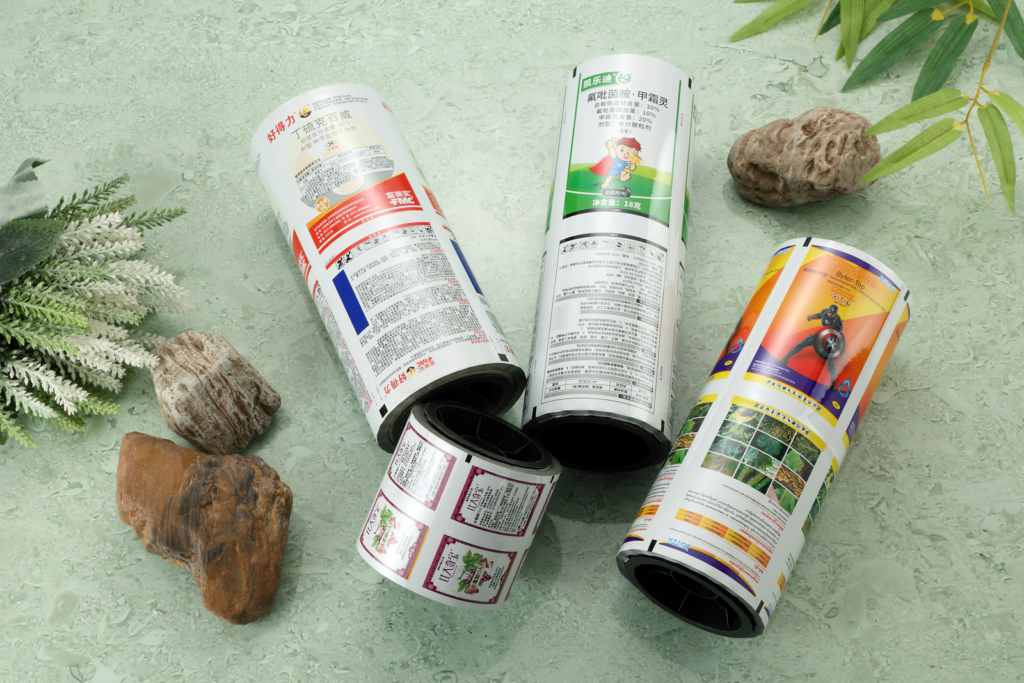
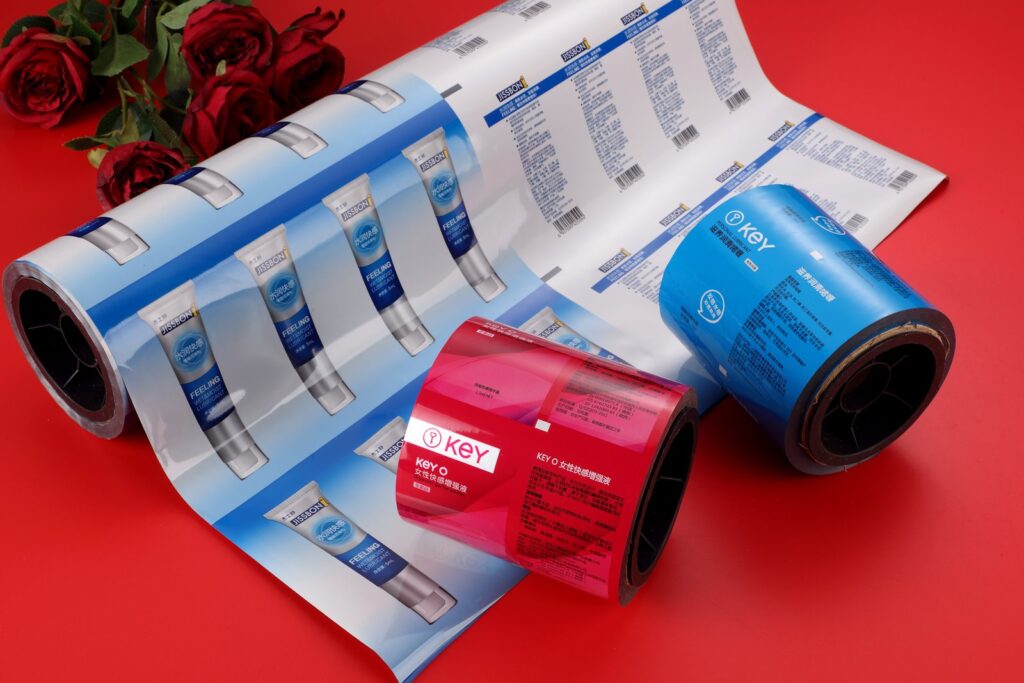
The catalog photos show printed film that can help start a discussion about a proposed outer wrap. The eight checks below turn that discussion into an assembly brief, artwork review and production trial. They assume the individual snacks already have their own packs.
1. Snack Multipack Packaging Begins with the Bundle
List each inner item, its approved version and the total count sold together. Describe whether the contents are identical or mixed. If the mix includes different pack shapes, identify the arrangement that keeps the group stable. Mark the front of the assembled bundle on a sample or sketch and show where customers should see the product name and count.
Use filled inner packs from representative production when establishing bundle dimensions. Compare the shortest and longest practical arrangement within the expected variation. Include any space needed for a tray, board or insert. Ask the assembly team to build the arrangement repeatedly and record the range it observes. This gives the supplier a useful starting point for a film layout and helps the packing team identify how it will handle the group.
2. Check What the Inner Packs Contribute
Examine the inner seals and edges where they touch the outer wrap. A folded end or stiff corner may press against the wrap when products are stacked or when a bundle is handled tightly. Record which edges face out and whether the group rotates or shifts during assembly. Review the arrangement in the position it will sit in its shipping case and on the shelf.
If a different orientation is proposed, compare it with the same inner items and counts. A rotated stack might hide a high spot, but it might also leave the customer with a confusing opening position. A support insert should have an identified job, such as keeping the group aligned at the infeed. Evaluate the physical arrangement with real packs before committing to a wrap width or artwork layout.
3. Agree on the Packing Route and Wrap Construction
Identify which team will assemble the group and apply the outer wrap. Discuss the intended equipment or manual packing route, along with how the product will be presented. If printed reel material is proposed, ask the equipment operator to provide its working drawing or reel requirements. Confirm dimensions, roll orientation, where the wrap closes and the proposed print repeat with both the converter and the packing team.
Capture how the bundle will be guided through the process. An arrangement that is easy to hold by hand can behave differently when it is fed through a machine. Document what must happen to keep the pieces aligned before the wrap closes. Save the agreed configuration as a drawing and sample reference, especially when similar products share a line.
4. Locate Artwork on the Wrapped Group
Ask the supplier for a drawing that shows the finished presentation and the relevant allowances. Place essential information on areas that remain readable over the assembled group. Check where the film wraps around ends, where the seal sits and how much of the design can move as the size of the bundle varies. Use a printed mock-up at the intended size to see the art in three dimensions.
Review the product name, count and variant message against the actual bundle. For a variety pack, make sure the visible description and approved contents agree. Ask a reviewer who did not develop the design to identify the assortment from the wrapped pack. If they need to flatten a seam or turn the bundle several times, record which piece of information was hard to find.
5. Check Retail Identification in the Intended Channel
Confirm which product identification is meant to be read at checkout or by a receiving system. Work with the responsible retail or data team before choosing a placement. On a transparent design, identify any codes visible on inner packets and ask whether they can interfere with normal handling. A printed wrap may make the intended identifier easier to present, depending on the design and assembly.
Review the identifier on a wrapped product rather than only on the print file. The position of the group, folds in the film and reflections may affect the practical reading position. Keep the approved barcode and pack count linked to the actual assortment and artwork version. Where relevant, follow the retailer’s verification procedure with a representative wrapped group and record the observations.
6. Observe Group Feeding and Wrapping During a Trial
Use a trial that includes the planned product mix, the proposed film and a representative assembly process. Watch the infeed and record whether a piece shifts, an end of an inner pack becomes trapped or a group arrives out of position. Collect samples linked to the time or stage when the behavior appears. A finished pack alone may not show where in the operation the problem started.
Record the line setup or manual sequence, the reel reference and which samples came from startup or steady operation. Include a representative restart if that is a routine part of production. If a revision is proposed, decide how it will be tested against the same arrangement. Keep the cause of a problem separate from the observation until the team can check both.
7. Review Shelf, Case and Customer Handling
Place the wrapped groups into the intended case quantity and orientation. Inspect the points where adjacent bundles or case walls contact the wrap. Look for movement when a partial case is handled if that happens in the sales channel. Check what customers see on the shelf and whether they can pick up the pack without grabbing a loose edge.
Evaluate opening on the actual group. Observe whether the wrap releases cleanly and whether a user can remove one inner pack without damaging it. Think about how a shopper will keep the remaining packets after the outer wrap is opened. Document the intended use and any changes needed to opening cues, printed placement or case arrangement. These observations belong with the release evidence for snack multipack packaging.
8. Define the Approved Pack and the Reorder Rules
Record the contents list, assembly drawing, outer wrap specification, artwork and case configuration. Keep the approved label and a representative wrapped sample available for the next order. Assign ownership for checking inner-pack substitutions. A change in a single inner product may alter the group dimensions, printed count, identification or case fit.
Include the conditions that would trigger another trial. A new flow wrapper, a change in inner pack shape or a different case orientation can change how the bundle behaves. Separate stable requirements from assumptions that were only evaluated on one packing route. A buyer should be able to send the current version to the film supplier and packing team without needing to reconstruct the original discussion from photos.
Example: Comparing Two Arrangements for a Variety Pack
Imagine a variety bundle that contains three flat snack packets and a thicker puffed snack pack. The first proposal stacks the thicker item on top. In a trial it moves when the group is fed into the wrapper and covers part of the front-panel design. A second proposal places it beside the flat stack. That requires a different wrap width but may make the group easier to identify and handle.
The team compares both layouts with the same contents and uses trial wraps to check feeding, front-panel visibility and case fit. It records the dimensions and key observations for each. Once one arrangement is approved, the product group drawing and printed film layout are released together. The record gives a future buyer a basis for reviewing a substitute snack pack without relying on the outer dimensions alone.
Snack Multipack Packaging approval checklist
| Stage | Record | Evidence or decision |
|---|---|---|
| Assortment | Approved inner item list and pack count | Specified orientation for the assembled group |
| Outer film | Wrap drawing, web width and artwork repeat | Converter and equipment review against the same revision |
| Retail | Pack count, product name and outer identification | Readable finished bundle and intended scanning position |
| Packing | Infeed arrangement and shipping case | Recorded trial behavior and final case configuration |
Snack Multipack Packaging FAQs
Can different packet shapes go into one multipack?
Yes, if the assembly, wrap and case can accommodate the proposed mix. Check the actual filled group and how it moves through the process.
Should buyers specify film width from one product sample?
Measure a representative range of assembled groups and confirm the dimensions with the converter and equipment operator.
What if an inner barcode is visible?
Ask the retail or data team how the bundle will be scanned. Evaluate the location and visibility of the approved outer identification on a real wrap.
Does a good first wrap complete the trial?
Review assembly and wrapping across representative operation, then check opening, shelf presentation and case fit with identified samples.
Technical references for the relevant checks: GS1 Canada’s barcode resources.
Read the guide to roll film and premade packaging formats and see the Dachuan Packaging catalog for format references. When requesting a proposal, send your product, dimensions, order quantity and the production questions you want to resolve to the Dachuan Packaging team in Shantou.