
Packaging barrier requirements describe the protection a product needs under stated conditions. A useful brief identifies the product’s relevant sensitivities, intended storage and distribution, proposed construction and evidence needed for evaluation. “High barrier” by itself is not a complete specification or a shelf-life result.
Different products may need attention to moisture, oxygen, light, aroma or other interactions. The packaging team needs the product team’s priorities to propose a suitable structure. This guide sets out nine discussions for making those priorities clear. It focuses on preparing and comparing information, while product-specific technical requirements and acceptance criteria should be agreed by the responsible teams.
1. Packaging Barrier Requirements Begin with Product Sensitivity
Ask the product team which changes matter during storage and use. Describe the concern in practical terms, such as moisture uptake, aroma loss or a change observed under particular conditions. Avoid selecting a construction before the problem has been identified.
Separate what is known from what still needs investigation. An existing product evaluation may provide useful evidence, while a new formulation may need further work. Give the supplier the relevant information without assuming that another product in the same category has identical needs. Packaging barrier requirements become easier to discuss when each proposed protection feature is connected to a specific product concern and an intended evaluation.
2. Define the Intended Storage Journey
Describe the relevant storage and distribution conditions and how long the product is expected to remain in each part of its journey. Include conditions after opening if they affect the use case. A brief based only on warehouse storage may miss other important handling stages.
Ask the responsible technical team which conditions should be represented in evaluation. Avoid inferring a universal storage claim from one material data sheet. Keep the proposed package, contents and conditions connected in the sample plan. That helps the team understand whether a data comparison addresses the actual product journey or only one property measured under a different set of laboratory conditions.
3. Request Measurable Information
Ask what property is being reported, the units used and the conditions under which it was measured. Relevant comparisons require more than a shared label. Confirm whether values describe an identified film construction, a component or a completed package.
Keep the source and revision of the information with the proposal. If two offers use different test conditions or construction references, ask for clarification before ranking them. Packaging barrier requirements should support a meaningful technical discussion rather than a contest between unexplained numbers. Let the responsible technical team decide which measurements are useful and what additional evidence is needed for the intended application.
4. Review the Whole Construction
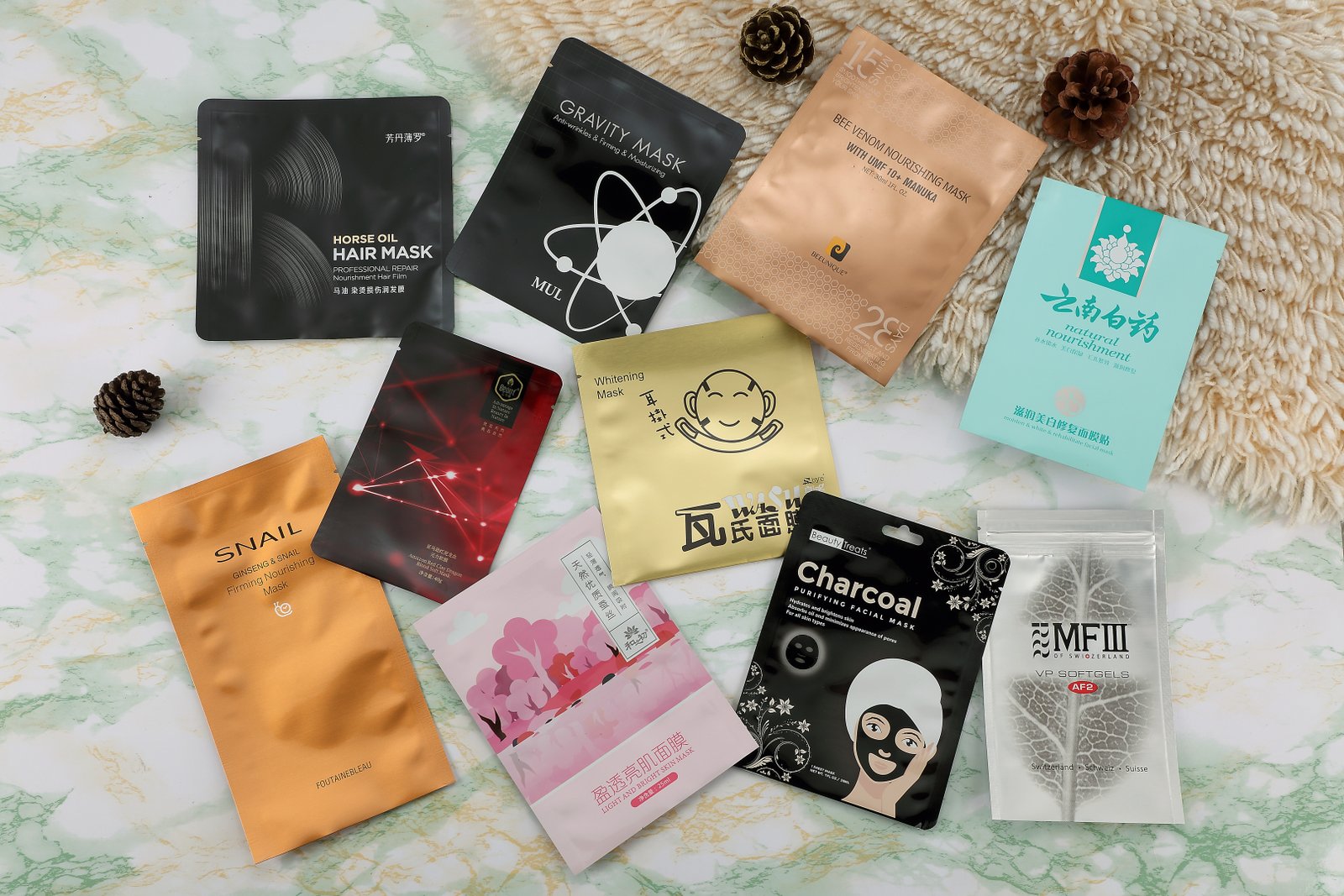
Request the proposed layer construction and relevant dimensions or thickness information in the agreed specification format. A printed surface, metallic appearance or tactile finish cannot identify the complete structure. The visual sample is a communication aid rather than a substitute for that specification.
Consider the contents-contact surface and the complete proposed package as part of the suitability review. Ask the supplier to explain the role of a proposed feature where clarification is needed. Keep alternative structures separate in the quotation and sample record. This makes it possible to compare packaging barrier requirements against each option without treating visually similar materials as confirmed equivalents.
5. Include Seals and Package Features
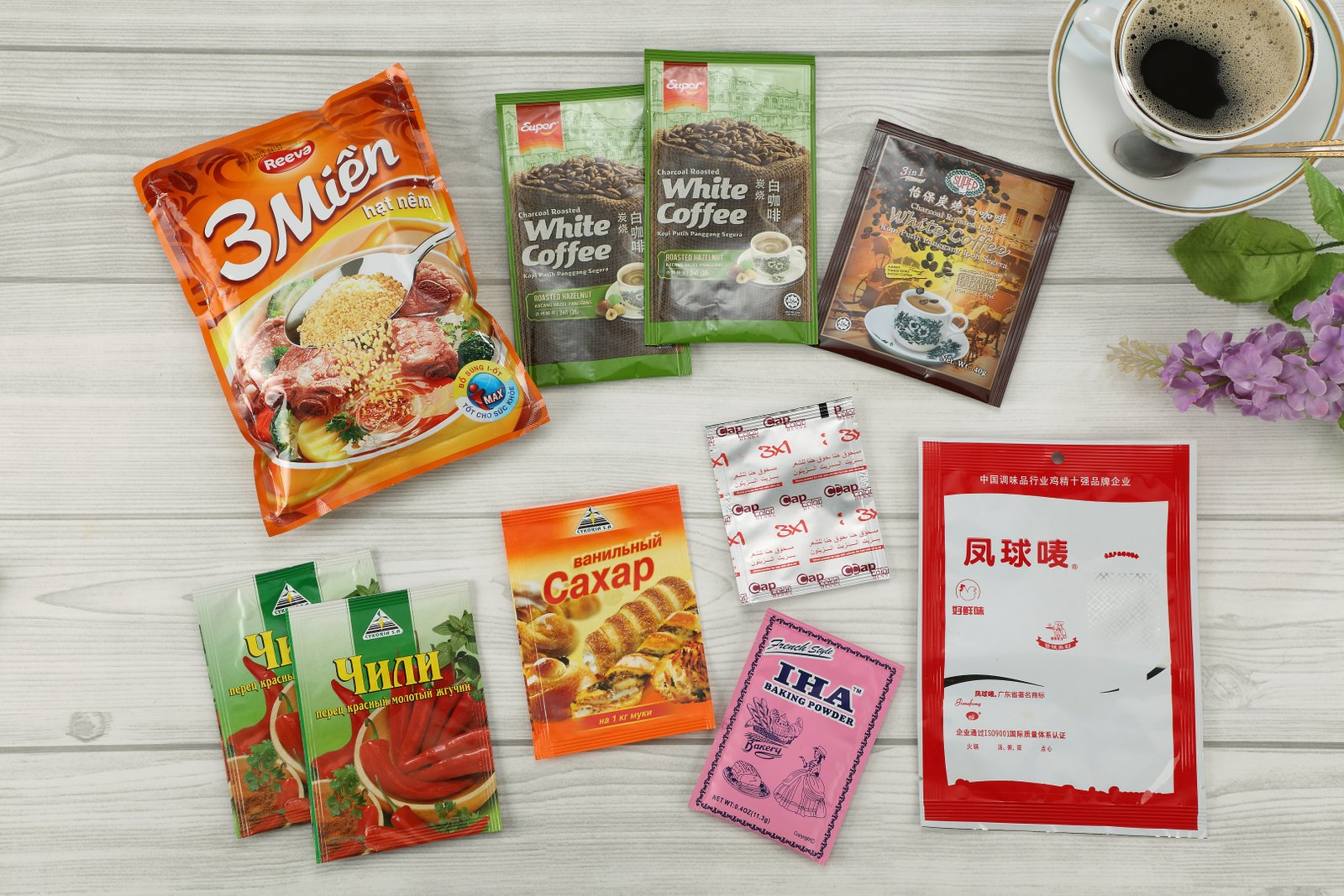
A material property does not describe every aspect of a completed filled pack. Review seals, closures, openings and selected fitments alongside the film proposal. Ask which package-level checks are needed in addition to the relevant material information.
During trials, document the filling and closing conditions used for the samples. An issue associated with the final seal requires a different discussion from a material transmission property. Keep those questions distinct while assessing the whole system. Packaging barrier requirements should therefore be linked to the construction and process record, rather than stored as an isolated marketing phrase on a material selection sheet.
6. Assess Product Contact Separately
Protection from an external condition and compatibility with the contents are related parts of suitability, but they are not interchangeable claims. Supply the relevant formula requirements and intended process conditions. Ask for the evidence and evaluation appropriate to the product-contact question.
Do not assume that a material with a favorable barrier value is automatically suitable for every formula or destination market. Have the responsible teams identify relevant documentation and checks. Record the exact product and package versions used in evaluation. This traceability is particularly useful when a formulation changes while the outside appearance of the pack stays familiar to purchasing and marketing teams.
7. Build a Relevant Sample Plan
Agree which samples will be evaluated, how they will be filled and conditioned, and what observations will be recorded. Identify which questions can be addressed through material information and which require the completed package or stored product.
Assign responsibilities before the sample is approved. The supplier may provide a construction proposal and relevant data while the product team evaluates the contents under agreed conditions. Keep results linked to sample identifiers and dates. A practical plan lets packaging barrier requirements be tested through evidence appropriate to each question, without implying that an attractive catalog pouch or a single laboratory value proves the full product storage outcome.
8. Compare Alternatives on the Same Basis
When evaluating structures, keep product quantity, dimensions, closure, filling route and intended conditions consistent where possible. Record any differences explicitly so a commercial comparison does not hide a technical change. Ask which requirements each option is proposed to meet.
Price alone cannot establish equivalence, and a more complex structure is not automatically the correct answer. Use the product priorities and evidence to discuss tradeoffs with the supplier. If the team selects an alternative, update the approved specification rather than keeping the original description in the purchase documents. The comparison should remain understandable to the next person who reviews a repeat order.
9. Document the Decision and Its Limits
Release the selected construction with the product reference, stated conditions, relevant evidence and agreed acceptance plan. Note unresolved points and any conditions that limit the conclusion. This record is more useful than a general assertion that the chosen material is “premium.”
For repeat production, review changes in formulation, construction, dimensions, process or distribution. Decide which evidence remains applicable and which checks should be repeated. Packaging barrier requirements may evolve with the product, so maintain a traceable baseline. A specific shelf-life claim should be supported by relevant product evidence rather than derived from the existence of a barrier layer alone.
A practical planning example
Imagine an illustrative comparison between two proposed pouch structures for a dry product. Both offers use the phrase “high barrier,” but only one identifies the measured property and conditions. The first action is to clarify the missing information, not to conclude that the two structures are equivalent or that one guarantees longer shelf life.
The product team identifies the storage concern and agrees relevant evaluation conditions. The supplier then connects the proposal to that brief, while package-level checks address filling and seals. The comparison record keeps those different types of evidence separate. This example explains a decision process and does not report a test result or a particular customer project.
Retain the construction revision, data source, sample identifiers and approval reasoning. That record makes future packaging barrier requirements easier to review when a material is substituted, a formula changes or the intended distribution conditions become different.
Packaging Barrier Requirements decision record
| Record | What to identify | Decision to capture |
|---|---|---|
| Product | Contents, version and intended quantity | Requirements confirmed by the product team |
| Package | Drawing, construction and opening | Approved specification and sample reference |
| Process | Filling, closing and handling conditions | Relevant trials and unresolved questions |
| Release | Artwork, quantities and commercial scope | Named approvers and current revision |
Packaging Barrier Requirements FAQs
Does “high barrier” identify a complete material specification?
No. Ask for the actual construction, relevant measured properties, units and conditions, then assess them against the product’s requirements.
Can I select a barrier structure from a photograph?
A photograph can communicate appearance. It cannot establish layer construction, measured performance or suitability for the intended contents and storage.
Does a barrier value prove shelf life?
No. Shelf-life conclusions require relevant product evidence and conditions. Material data is one input to the complete product and package evaluation.
What changes should trigger another review?
Review changes to the formulation, construction, package features, filling process, dimensions or distribution conditions against the approved evidence and sample plan.
Plan your next packaging discussion
Dachuan Packaging is based in Shantou, Guangdong, China. Share the product, intended format, fill amount, quantity and filling requirements through our packaging inquiry page. Include the decisions that still need supplier input so the team can discuss a relevant proposal and sampling route.
Continue with our related packaging planning guide, or browse the product catalog for visual references. For barcode planning, see GS1 Canada’s barcode guidance; for the role of seal-strength evaluation, see ASTM’s F88/F88M overview. Match external guidance to the actual application with the responsible technical team.