
Pouch opening design should connect the product, the user’s grip and the intended way of removing the contents. A notch, zipper or fitment is part of that arrangement, but none establishes the complete experience in isolation. Begin with the use sequence and evaluate the proposal using relevant filled samples.
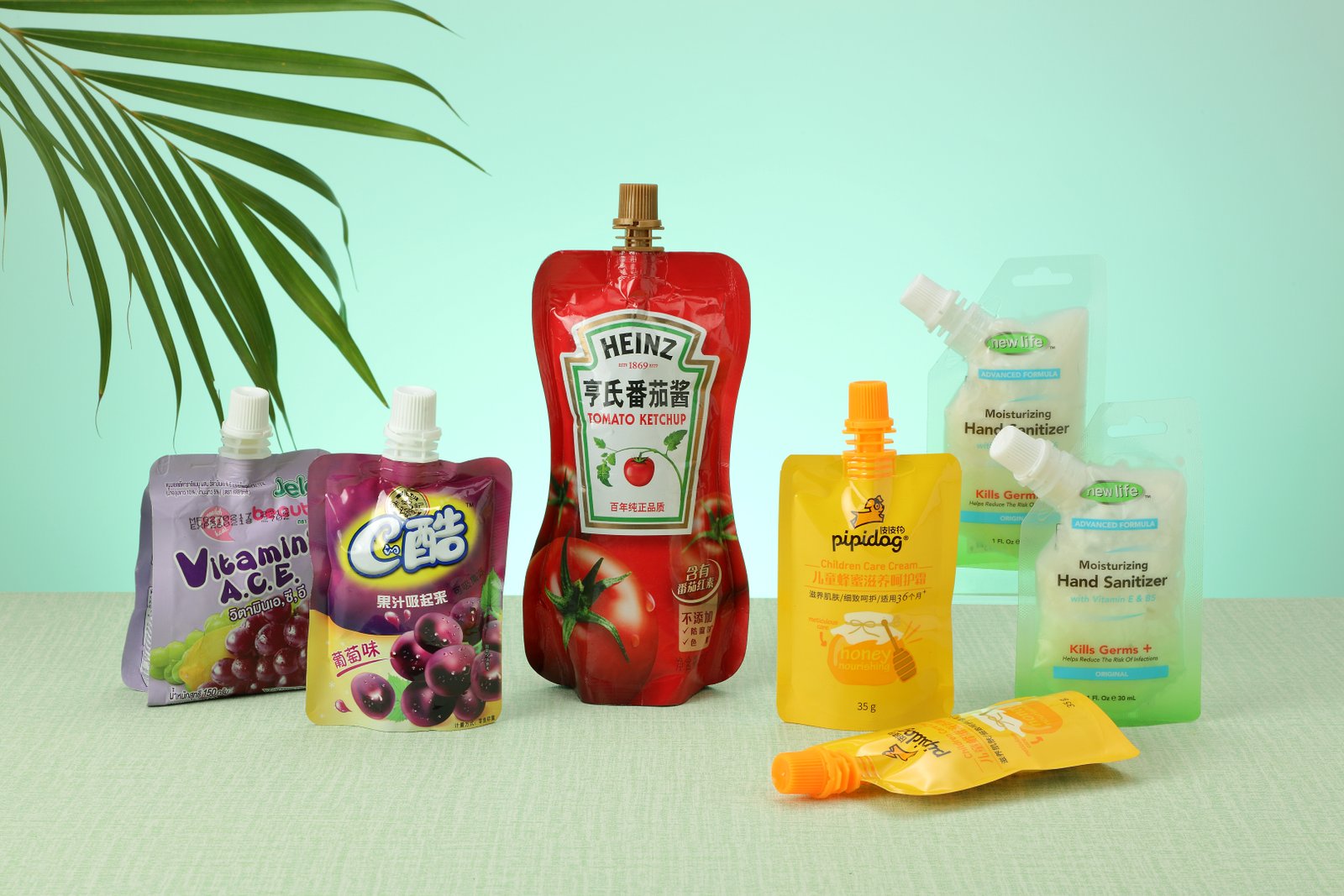
Different tasks create different access needs. Pouring a liquid into a bottle is not the same as removing a folded sheet or scooping a powder. The catalog photographs in this guide illustrate format differences rather than proving that one opening suits every product. Use the nine reviews below to give the supplier specific requirements and collect feedback that can guide an identifiable revision.
1. Pouch Opening Design Begins with the Task
Write down what the user needs to accomplish from first contact with the pack to removal of the contents. Identify whether use is intended to happen once or over several occasions. The product team should approve that sequence before the opening feature is selected.
Describe any receiving container, tool or item involved. A narrow bottle neck, folded wipe or scoop can influence practical access. Keep these requirements distinct from a visual preference for one pack. Pouch opening design is easier to evaluate when a trial has a clear task rather than an undefined request for something easy to use.
2. Consider the Filled Pack and the Grip
Observe where the user can hold the pack at the intended fill amount. The available grip and the way the body flexes may differ from an empty sample. Include the product or component that will actually be removed.
Ask first-time users to follow the proposed instructions without additional explanation. Note where hands cover an opening cue or critical text, and whether the pack needs unexpected support. Record those specific observations with the sample reference. The opening and body dimensions should be reviewed together, because a feature that seems accessible in a flat drawing may behave differently once the pouch is filled.
3. Review Tear Initiation Separately from the Tear Path
Finding and starting an opening is one question; continuing the intended tear is another. Where a tear feature is proposed, assess both actions with the supplier’s actual construction. Do not infer the behavior from the visual presence of a notch.
Observe how users position their hands and whether they follow the intended direction. Keep the relevant material, feature and sample versions identifiable. If a change is proposed, evaluate the part of the task it is meant to improve. Pouch opening design should be supported by specific filled-sample observations instead of a general promise that any familiar notch will produce the desired opening.
4. Match the Outlet to Product Removal
A powder portion, thick cream, liquid and folded item create different removal tasks. Define what controlled removal means for the intended application. Review the size and position of the outlet alongside the contents, quantity and any receiving vessel.
Use representative contents in the trial where practical. Record whether the task requires additional shaking, squeezing or pulling and what remains difficult to remove. Do not judge a paste opening only with a more convenient free-flowing liquid. Keep product and preparation conditions connected to the sample so the result is interpreted for the application that was actually evaluated.

5. Review Reclosure as a Distinct Requirement
If repeated access is intended, discuss the selected closure and the space needed to operate it. Confirm its position with the supplier rather than copying a dimension from another format. The initial opening and later closure may require different handling.
Observe the sequence after some contents have been removed, as well as the first use of a full pack. A closure that can be operated in isolation does not settle every question about the completed package. Pouch opening design should document which stages were evaluated and which technical checks remain relevant to the selected construction and product.
6. Make Graphic Cues Support the Construction
Place instructions and cues where they remain useful in the approved orientation. Review the printed design at actual size and ask whether the user can understand the intended action before beginning. Keep essential information clear of cuts, seals and other supplier-defined areas.
The graphics should describe the actual opening rather than an unconfirmed concept. Have the responsible product team approve wording. If the contour or feature changes, review the cues again instead of retaining an old arrow because it fits the layout. Save the released artwork and construction revisions together so the next production discussion uses consistent information.
7. Include the Filling Partner Early
Ask the filler to review the opening arrangement and proposed dimensions before they become fixed. Some construction choices affect pack presentation, filling access and final closure. A feature selected only from the consumer-facing drawing can leave operational questions unresolved.
Use a relevant process sample when assessing the complete pack and record preparation conditions. If a revision affects sealing or another operation, agree which checks should be repeated. Pouch opening design is part of the package system, so feedback from users, the converter and the filler should be considered together rather than treated as separate approvals that never share a drawing.
8. Organize an Observation-Based Trial
Write a short trial brief identifying the task, sample, product and observations to collect. Ask users to follow the same approved instructions and record moments of hesitation or unintended action. Keep preferences separate from functional issues that the design needs to address.
Summarize feedback using concrete descriptions. For example, note that a user could not reach a grip area or that the receiving bottle required repositioning. This is more useful than a simple rating with no explanation. Compare revisions against the same task so the team can see whether a proposed change addressed the identified problem without assuming broader consumer outcomes.
9. Approve the Opening with the Whole Pack
Release the agreed opening feature, body dimensions, material, product reference, instructions and evaluation record together. Include any relevant technical conditions and named approvers. Keep unresolved points visible before the construction is released for production.
For repeat orders or new variants, compare changes against that baseline. A different fill level, product consistency or receiving container may alter the use task even if the outside design is unchanged. A controlled pouch opening design record explains what was assessed and provides a practical basis for deciding which observations and checks should be repeated when the application changes.
A practical planning example
Consider an illustrative refill pouch that will be emptied into an existing bottle. The initial sample opens easily when held above a wide container, but the actual bottle has a narrower receiving opening. The relevant user task should therefore use the real bottle and product rather than the easier demonstration.
The team records grip, outlet positioning and transfer behavior. If a revised opening is proposed, the supplier and filler review its construction and process implications before another filled trial. The artwork cues are then checked against the approved arrangement. This is a planning scenario rather than a reported customer project or measured improvement in consumer satisfaction.
Save the receiving-container reference, sample identifier, product version and observations. Those records give the next pouch opening design review a specific baseline and prevent an old result from being applied automatically to a new product or handling sequence.
Pouch Opening Design decision record
| Record | What to identify | Decision to capture |
|---|---|---|
| Product | Contents, version and intended quantity | Requirements confirmed by the product team |
| Package | Drawing, construction and opening | Approved specification and sample reference |
| Process | Filling, closing and handling conditions | Relevant trials and unresolved questions |
| Release | Artwork, quantities and commercial scope | Named approvers and current revision |
Pouch Opening Design FAQs
Does a notch prove that a pouch will open as intended?
No. Evaluate tear initiation and the continuing opening path with the actual construction, intended contents and use instructions.
Should opening trials use empty pouches?
Empty samples may help an early discussion. Include relevant filled samples when assessing grip, body shape and actual product removal.
Can instructions compensate for any opening construction?
Instructions should support an appropriate design. Review the physical task and graphical cues together rather than relying on words to resolve every functional issue.
What changes can require another opening review?
Consider changes to the product, fill amount, body shape, material, opening feature, receiving container or instructions against the approved use sequence.
Plan your next packaging discussion
Dachuan Packaging is based in Shantou, Guangdong, China. Share the product, intended format, fill amount, quantity and filling requirements through our packaging inquiry page. Include the decisions that still need supplier input so the team can discuss a relevant proposal and sampling route.
Continue with our related packaging planning guide, or browse the product catalog for visual references. For barcode planning, see GS1 Canada’s barcode guidance; for the role of seal-strength evaluation, see ASTM’s F88/F88M overview. Match external guidance to the actual application with the responsible technical team.