Packaging insights · Dachuan Packaging
Printed packaging combines design with a physical structure. A pouch may look balanced as a flat image while placing an instruction too close to a tear line or hiding text in a fold. A disciplined artwork handover gives the designer, brand owner and packaging team one consistent reference. These checks apply across cosmetic packets, sample sachets and other printed flexible formats.
1. Use the right dieline and version
Obtain the template for the specific construction rather than adapting a similar-looking pouch file. Check the finished dimensions, front and back orientation, gusset where relevant, seal areas, cuts and opening features. Mark the template revision in the working file.
If the structure changes, ask whether the dieline must change too. A new zipper position or altered seal can affect usable artwork space. Keep a record of which structure was used for each approval so that a later edit does not silently reintroduce an earlier layout.
2. Check essential information at actual size
Review the product name, variant, quantity, instructions and other required copy with the responsible product team. Print a layout proof at actual size to check hierarchy and readability. Leave room for variable information such as the production code where the process requires it.
Ask how fonts, linked images and finishing layers should be supplied. Follow the printer’s file instructions for bleed and safe areas rather than applying an arbitrary value. Keep production guides separate from the intended printed artwork according to the agreed file setup.
3. Give the barcode a usable location
GS1 Canada’s barcode guidance explains the role of clear areas around symbols and suitable printing choices. Keep the code and its required quiet zones clear of competing artwork. Confirm the applicable symbol requirements for the product and sales channel.
Review the selected position against folds, cuts, seams and the shape of the filled pack. A successful scan of a screen image is not a substitute for evaluating the printed code. Agree which final artwork or production sample will be used for verification.
4. Agree color references and production sign-off
Tell the printer which colors and brand elements are critical. Ask which proof will be used to approve layout and how the color target will be communicated for the selected material and finish. Different proof types answer different questions.
Issue one clearly identified approval file after comments are resolved. Record who approves text, structure and print appearance, and separate an approved artwork revision from a general concept image. A controlled sign-off makes repeat orders easier to discuss when the design, material or printer settings change.
Discussion checklist
| Topic | Brief or requirement | Review focus |
|---|---|---|
| Structure | Approved production dieline | Dimensions, orientation and features |
| Copy | Final text and actual-size proof | Legibility and placement |
| Barcode | Correct symbol and clear zones | Printed-code evaluation |
| Release | Named revision and approvals | One agreed production file |
Frequently asked questions
Can I use a pouch photo as an artwork template?
Use it as a visual reference. Obtain the actual production dieline before preparing final artwork.
Should bleed be the same for every supplier?
Follow the printer’s specific template and file requirements. Do not assume one value covers every construction or process.
Is a phone scan enough to approve a printed barcode?
A phone scan can be a useful observation, but it does not replace the agreed printed-code verification process.
Who should approve the final file?
Agree approval responsibilities in advance, including product text, structure and print appearance, and record the released revision.
Product references and next steps
Catalog reference 294A4535 · Catalog reference 294A4537.
Prepare a complete packaging quotation brief for a related planning guide.
Discuss your packaging brief
Dachuan Packaging is based in Shantou, Guangdong, China. Share your product, target format, quantity and filling requirements through our packaging inquiry page to discuss samples and a proposed specification.
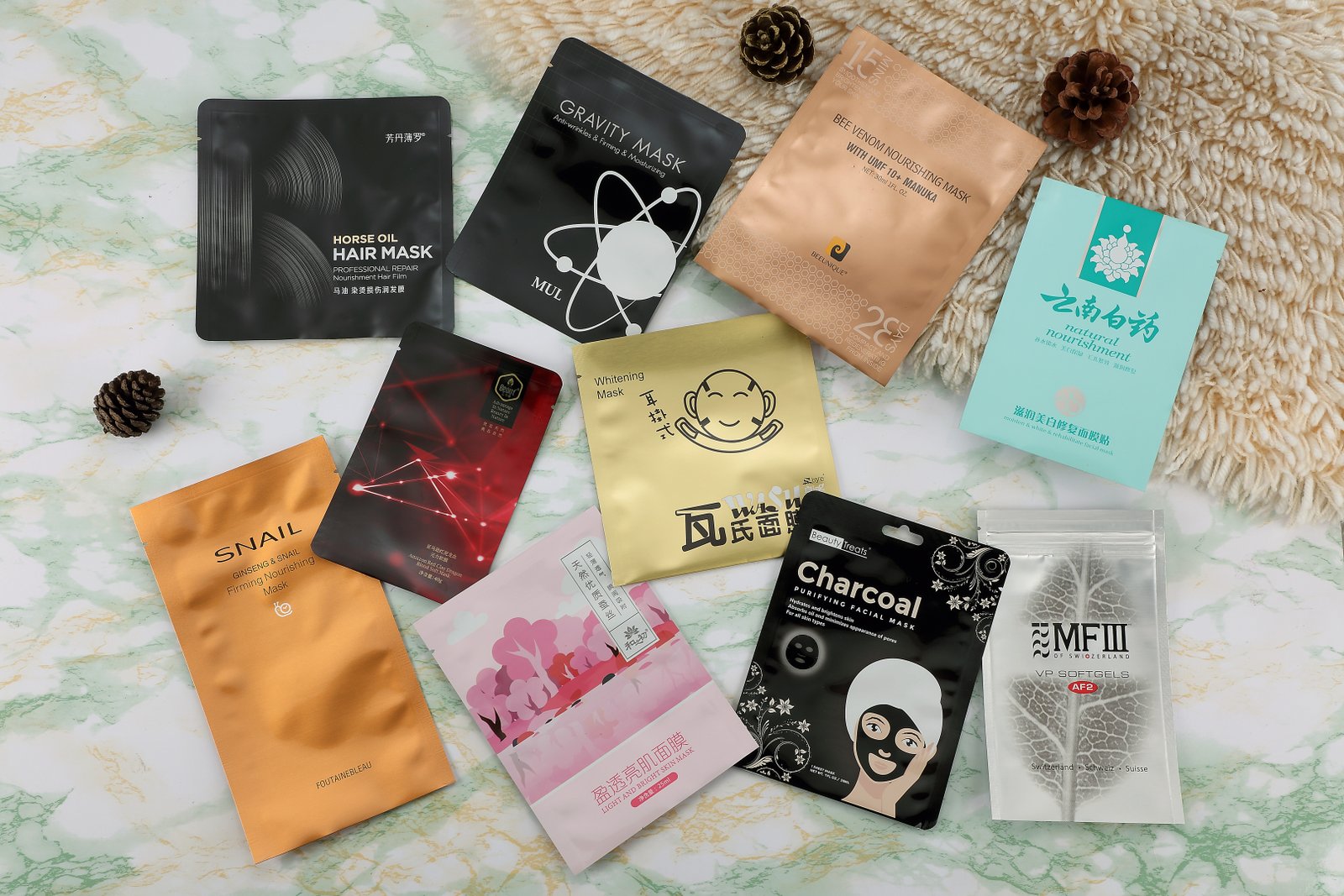
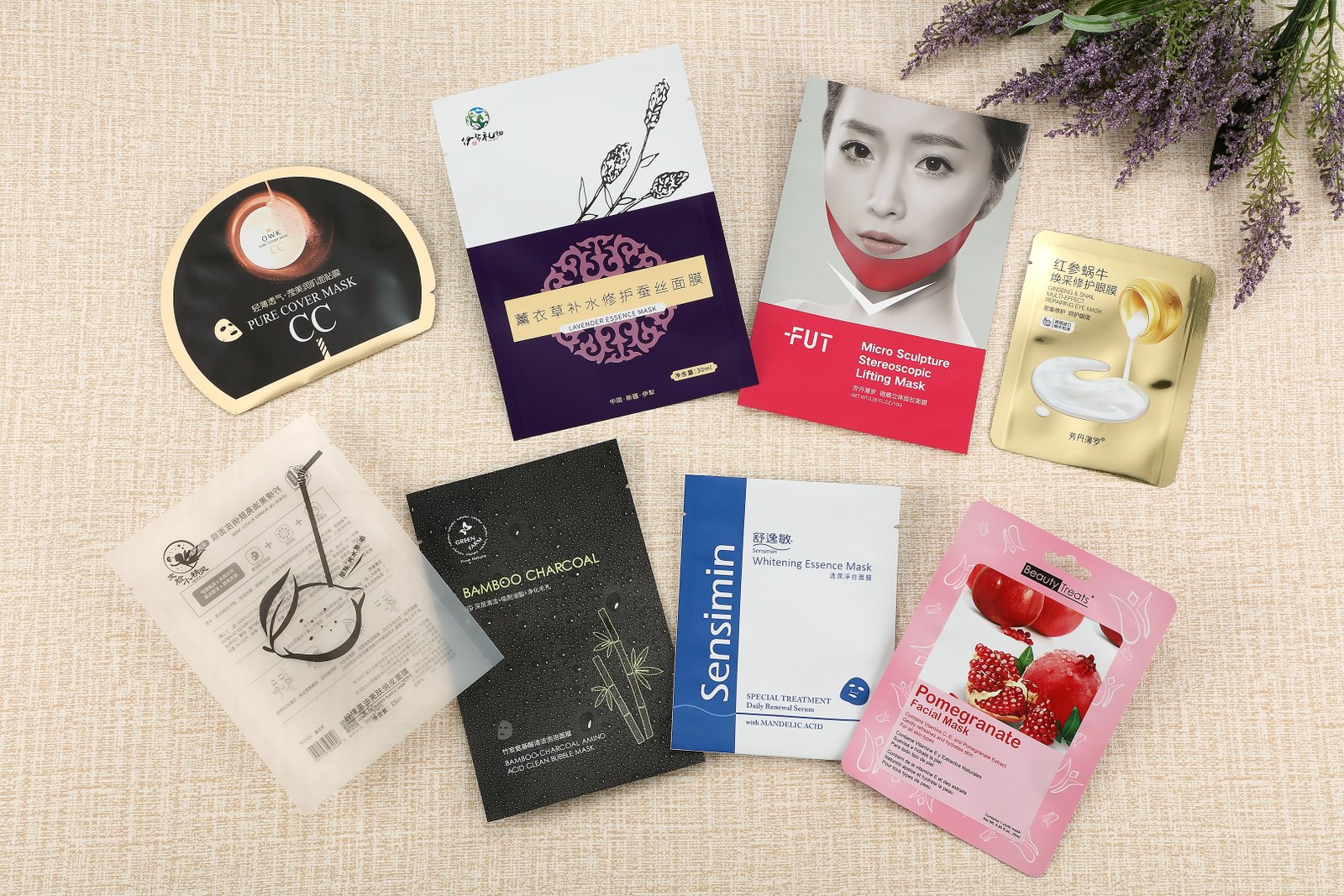
Product photographs are from the Dachuan Packaging catalog. Confirm the specification for your intended contents and process.