
Packaging line changeover is the handover from one packing job to the next. A change can involve a new product, pouch size, printed variant or reel. The line team needs a clear way to remove the previous job’s materials, verify the next setup and decide when packed units can be released. These checks focus on packaging identity and startup evidence that buyers and production teams can agree on in advance.
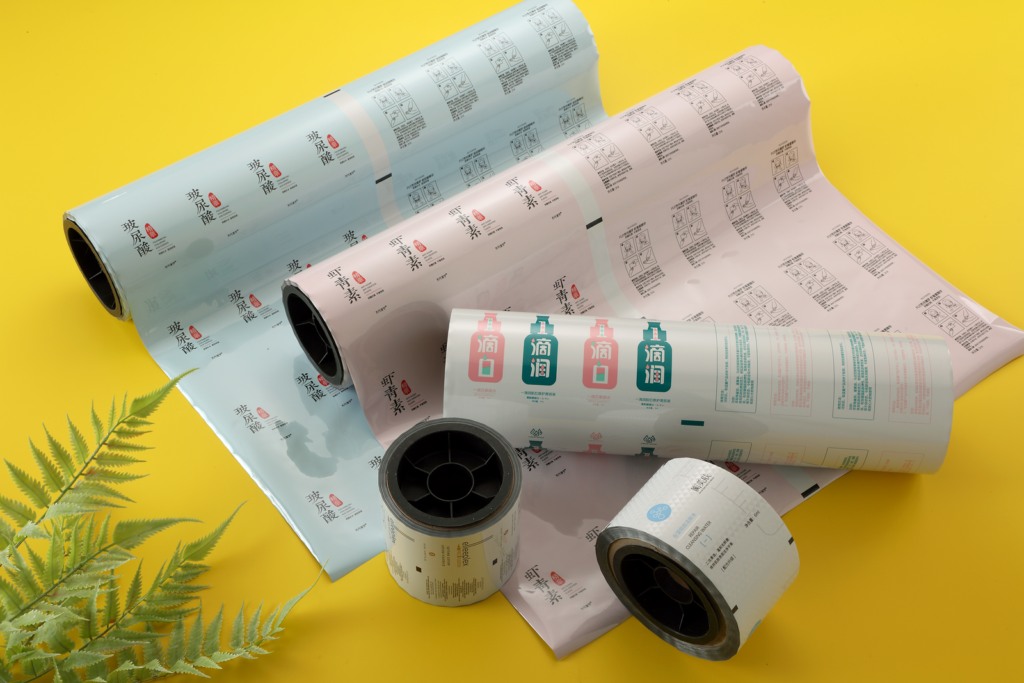
Dachuan Packaging’s photos show reel and pouch forms commonly discussed during a packaging brief. Use the actual line owner’s operating procedures for physical changes and equipment adjustments. The eight checks below help document who supplies the information, what evidence the team should collect and which decisions need an explicit handover.
1. Packaging Line Changeover Starts with a Difference List
Compare the current job and the next one. Identify what changes in the contents, packaging material, artwork, dimensions, closure and any variable print. Note the job and material references on the same page so the next team does not have to infer a revision from the look of a pouch. Include the outer carton or case label if the finished pack changes how it is shipped.
Mark items that stay common between jobs and clarify whether they can remain at the station. Ask the line owner whether the change requires particular inspections, equipment work or other approvals. Confirm which team owns each item and when it needs to be ready. A short list of actual differences gives staff a more useful handover than a generic instruction to change to the next product.
2. Stage the Next Job Without Mixing Materials
Gather the approved materials and identify them before the line stops if space and site procedures allow. Use a staging arrangement that prevents the next film or pouch variant from being confused with the material in use. Compare the physical labels with the work order. Keep close attention on variants that share a size or front-panel design.
Check the supporting items too. An updated pouch might require a matching carton label or coding reference. Bring the approved artwork or physical reference needed to confirm those details. If the next material is missing an identifier or has been held for review, resolve the question before it is presented as available. Record what was staged and which version was accepted for the job.
3. Remove and Account for the Previous Job’s Packaging
Identify the points where material can remain after a job. These may include the feed area, staging shelves, trays, label stations and nearby cases. Use a clearance record tailored to the line and the materials used. Specify who checks each area, how remaining material is identified, and where it goes.
Treat opened cartons, partial reels and loose labels as separate items with their own disposition. The operator should be able to connect returned stock to its original job and current status. Keep samples or waste according to the agreed local process. If something cannot be identified or accounted for, route it for review. This step gives the incoming team a clear basis for starting with the correct materials.
4. Verify the New Pack Against the Approved Reference
Before packing the new job, check the incoming stock against the approved construction, dimensions and artwork. For reel stock, confirm the orientation and repeat with the approved job record. For ready-made pouches, compare the opening, closure and presentation with the reference. Record relevant lots, item codes or artwork versions for the material selected.
Check variable print information separately. Compare the intended content and location with the instructions supplied by the responsible team. Make sure a legacy code or old date layout has been cleared according to the site procedure. If the pack carries multiple identifiers, agree which must be checked on the first samples and where they are meant to appear. Save a representative reference that can be compared with later samples.

5. Keep Setup Observations Connected to the Actual Line
Use the line owner’s approved setup record and method. Identify the machine and relevant job settings or equipment configuration. If the job moves to a different line or uses a different packaging construction, review which setup information can be reused and which must be confirmed. Document any adjustments so a later shift can understand how the approved configuration was reached.
Ask the packaging supplier which material characteristics are relevant to the review. Discuss visible issues using actual observations. For example, record if the pouch presents differently at the feed area or if the printed panel sits too close to a cut. Keep representative samples and their timing. Avoid changing several variables in a comparison without recording what was changed.
6. Approve the First Representative Packed Units
Agree what the first-off check should cover before the run. Items might include the right variant, print position, coding, filled quantity, appearance, closure and the case identification. Choose checks suitable for the actual construction and product. Assign someone to review the samples and give the line a clear decision.
Record the approval with the sample, time, setup and material references. Define what happens to packed units produced while the first samples are under review. If an adjustment is needed, identify which checks must be repeated before release. Where startup is followed by a different steady operating condition, ask whether the approval plan should include samples from both stages. The team should know exactly what the approval covers.
7. Review the First Part of the Run and the Handover
Check how the approved setup behaves in the relevant part of production. The line team can decide where it needs observations after startup, restart or a material change. Give the next shift the current job, material and approval status. Include any deviations that still need a decision and where the supporting samples can be found.
Record issues in enough detail to help future changeovers. A recurring mix-up between two cartons may point to a staging or label distinction. A delayed approval may indicate that the reference sample or named reviewer was unavailable. Keep these observations attached to the specific job and review them with the people who perform the handover. Changes to the process should address the observed difficulty.
8. Update the Changeover Record When the Job Changes
Release a record that connects the work order, material references, setup, clearance and approval evidence. Identify what should be reused next time and what needs to be checked again. A new artwork version may leave equipment settings familiar while changing the verification steps for print identity and code placement.
Review who maintains the record when the buyer, supplier, production site or artwork team introduces a revision. Link the new instructions to the affected products and materials. Keep superseded references distinguishable so staff can find the valid one when preparing the next job. A packaging line changeover procedure remains useful when it reflects the equipment, materials and decisions that operators actually encounter.
Example: Switching Between Two Similar Pouch Variants
Imagine a line finishing one printed pouch and moving to a new variant with the same outline. The next pouch has a different front name and a new case label. The team stages both items with the current work order while the previous variant remains in production. Before startup, staff clear the earlier material and identify the partial carton that will go back to storage.
The first samples from the next job are checked against the approved pouch artwork, case label and coding instruction. The release record notes the material identity and who approved the first units. If a loose pack from the previous job is discovered during the next shift, the record gives the team a way to establish what was cleared, what was staged and which material entered the new job.
Packaging Line Changeover approval checklist
| Stage | Record | Evidence or decision |
|---|---|---|
| Job comparison | Current and next product, material and artwork | Changes requiring a separate check |
| Clearance | Feed, staging and nearby packaging locations | Previous materials accounted for or held |
| Startup | New material and approved setup reference | First samples checked with time and identifiers |
| Handover | Approval, deviations and unused material | Owner and next action for each open issue |
Packaging Line Changeover FAQs
Is a same-size variant switch a changeover?
Review it as a job change. Print identity, coding and case labels can change even when the machine uses familiar settings.
What is a first-off sample?
It is a representative sample from the start of the new job, checked against the agreed requirements before the relevant release decision.
Who decides whether a trial needs another check?
The responsible line and quality teams define which changes or observations require another check and who can approve the result.
What should go back to the supplier when an issue is found?
Share the material and job references, relevant setup details, photographs or identified samples, and a precise description of the observed problem.
Technical references for the relevant checks: GS1’s application identifier directory.
Read the guide to approving representative packaging samples and see the Dachuan Packaging catalog for format references. When requesting a proposal, send your product, dimensions, order quantity and the production questions you want to resolve to the Dachuan Packaging team in Shantou.